Business Name: BeeHive Homes of Santa Fe NM
Address: 3838 Thomas Rd, Santa Fe, NM 87507
Phone: (505) 591-7021
BeeHive Homes of Santa Fe NM
BeeHive Homes of Santa Fe NM is a premier Santa Fe Assisted Living facilities and the perfect transition from an independent living facility or environment. Our Alzheimer care in Santa Fe, NM is designed to be smaller to create a more intimate atmosphere and to provide a family feel while our residents experience exceptional quality care. We promote memory care assisted living with caregivers who are here to help. Memory care assisted living is one of the most specialized types of senior living facilities you'll find. Dementia care assisted living in Santa Fe NM offers catered memory care services, attention and medication management, often in a secure dementia assisted living in Santa Fe or nursing home setting.
3838 Thomas Rd, Santa Fe, NM 87507
Business Hours
Monday thru Sunday: 9:00am to 5:00pm
Facebook: https://www.facebook.com/BeeHiveSantaFe Fe/
YouTube: https://www.youtube.com/@WelcomeHomeBeeHiveHomes
When households start to look seriously at senior care, two useful concerns normally drive the search:
Can my parent still move safely?
And who will assist with the essentials of daily life when they cannot?Mobility and activities of daily living (ADLs) are the spinal column of independent living. As soon as those start to decline, the distinction between an excellent and poor care environment ends up being very obvious, very fast. Over a number of decades working with older adults and their families, I have seen small elderly care homes quietly outshine larger centers in precisely these areas.
This is not about chandeliers in the lobby or a full calendar of occasions. It has to do with who is actually there at 6:30 a.m. When your mother needs assistance to stand, or at midnight when your father with Parkinson's freezes in the corridor, not able to take a step.
Small homes tend to manage those moments much better. Here is why.
What "Small Elderly Care Home" Actually Means
The terms can be confusing. Depending on your state or nation, a small elderly care home may be accredited as:
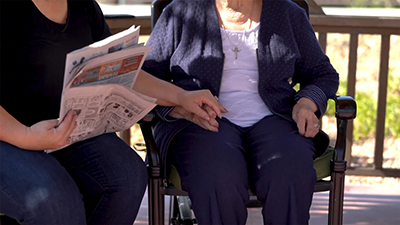
- a small assisted living residence a residential care home a board and care home an adult household home
Although the policies differ, what unifies these models is scale. Instead of 80 or 120 homeowners, a small home typically supports between 4 and 16 older grownups, frequently in a converted single family home or a purpose constructed small residence.
Daily life feels closer to a home than an institution. You see it in the sounds and rhythms: one kettle boiling, a television in the living-room, a caregiver talking with a resident while folding laundry. This physical and social scale ends up being a significant benefit when mobility declines and ADL help becomes more complicated.
Why Movement and ADLs Sit at the Center of Elderly Care
Before checking out why small homes work so well, it helps to be particular about what we are talking about.
Mobility covers a spectrum:
- transferring in and out of bed or a chair walking with or without an assistive device climbing a few steps getting in and out of a vehicle turning and repositioning in bed
ADLs are the bedrock of daily function:
Bathing and showering Dressing and grooming Toileting and continence Eating and drinking Basic mobility and transfersWhen somebody moves into assisted living or another senior care setting, families often concentrate on medication management or social activities. Six months later, what they talk about is whether personnel can safely help mom into the shower, or if dad has stopped walking due to the fact that "it is easier for staff to wheel him."
Loss of movement and ADL independence seldom happens over night. It wears down through numerous small minutes. Maybe the walker is always simply out of reach. Possibly staff are rushed and begin doing jobs for the resident rather than with them. Perhaps there is a long walk to the dining-room and nobody to rate it properly.
Small elderly care homes are developed, practically by accident, to deal with those micro minutes more attentively.
The Power of Distance: Design and Daily Flow
One of the most striking distinctions in between a small care home and a larger center is basic distance. In a standard assisted living structure, I have measured 200 to 300 feet from a resident's space to the dining-room. Add elevators, long passage stretches, and doorways, which can seem like a marathon for somebody with arthritis or heart failure.
In a small home, nearly everything is within 20 to 40 feet:
- bedrooms clustered near the main living location dining table within sight of the kitchen area bathrooms close to bed rooms, typically shared in between 2 rooms
For mobility and ADL assistance, that proximity alters the whole equation.

A caregiver hears the walker scraping on the wood and instantly actions in to use a constant arm. The individual who requires a toileting reminder passes the bathroom numerous times a day as part of the natural family rhythm. If a resident with moderate dementia forgets where the table is, they can still orient visually from the bed room door.
The physical design also makes it easier to integrate motion into the day. I frequently encourage caregivers in small homes to use "micro walks" instead of formal exercise sessions. Instead of scheduling thirty minutes in a fitness room, they walk citizens to the yard for five minutes of fresh air, or do two laps around the living area before sitting down for lunch. When everything is near, these little bits of motion end up being practical, even for frail residents.
Staff Ratios and Real Attention
The most consistent advantage I have seen in smaller elderly care homes is staffing. It is not just about how many people are on duty, but where they are physically and what they are responsible for.
In a 60 bed assisted living building during the night, you may have 2 caretakers on a floor plus a med tech drifting in between floors. Those caregivers are spread out across long hallways, with residents they might not understand effectively. Answering a call light can indicate strolling the length of the building.
In a 6 or 8 resident home, a single caretaker can hear a resident attempting to get up from a recliner chair, or see somebody beginning to stand without their walker. That early visual hint allows for preventive assistance instead of crisis response.
Faster reaction times make a measurable distinction for movement and ADLs:
- fewer falls when someone tries to toilet individually less incontinence when personnel can respond to the very first demand, not the 3rd less dependence on bed alarms and other intrusive gadgets more confidence for locals who know someone is nearby
Over time, those experiences shape how prepared an older grownup is to try walking to the restroom or standing to gown. If each effort is consulted with calm, timely assistance, they are more likely to keep trying. If attempts cause slow responses or humiliating accidents, lots of silently stop trying to move and postpone entirely to staff. That is when mobility collapses.
Familiar Faces and Consistent Care
ADL help is intimate. Being bathed, toileted, or dressed by a turning cast of strangers is not just uneasy, it mishandles. Individuals keep back, they are less likely to communicate discomfort or dizziness, and they in some cases decline help altogether.
Small elderly care homes often keep a core group of 4 to 10 caregivers, with fairly little turnover compared to big senior care homes. Homeowners see the same people across mornings, evenings, and weekends. That familiarity has numerous advantages for movement and ADL support.
First, caregivers establish a really detailed sense of each resident's "typical." They know if Mrs. Patel generally requires a someone help to stand, and can rapidly find when she unexpectedly requires more assistance, perhaps suggesting a new infection or medication side effect. I have seen small home caretakers pick up on early pneumonia just due to the fact that "his transfer simply felt different today."
Second, locals are more accepting of aid when they know who is offering it. A proud retired teacher might initially decline bathing aid, however over weeks will build trust with one caregiver and eventually accept support with cleaning her back or feet. That level of cooperation keeps health and skin integrity intact, reducing the risk of pressure injuries or infections.
Finally, consistent caretakers can develop movement support into existing regimens in a very personal method. They understand who takes pleasure in holding onto the kitchen counter for balance practice while "assisting" with meal prep, or who likes to walk the hallway to take a look at family photos every evening.
Mobility Support: More Than Simply a Walker
Many households assume that as long as a facility supplies a walker or wheelchair, mobility requirements are covered. In practice, excellent movement support looks very various, especially in a smaller home.
The strongest small homes deal with movement as a daily treatment chance rather than a one time equipment purchase. A resident may start their stay needing two individuals to help them stand. Within weeks, with duplicated short practice sessions and self-confidence structure, they may advance to a someone stand pivot transfer.
Small homes can make this sort of development because:
- staff are present during almost every transfer and can coach strategy distances are short so walking attempts feel safe and manageable there is versatility to adjust the speed without locking into rigid schedules
In one 10 bed home I dealt with, we had a resident with advanced COPD who insisted she "could not stroll." In the big assisted living where she had actually remained previously, personnel typically utilized a wheelchair for speed. In the smaller home, caregivers motivated her to stroll just from the recliner chair to the bathroom sink, with a chair positioned halfway in case she needed to sit. Within a month she was walking numerous times a day, proud of each small distance.
Safe movement also depends on clear pathways and easy environments. Small homes are much easier to keep uncluttered, and personnel are more likely to observe when a throw rug curls or a cord crosses a corridor. That constant, casual ecological scanning is hard to duplicate in large complexes.
ADL Support as Relationship, Not Job List
On paper, ADL support in assisted living and small homes typically looks similar. Both might list help with bathing twice weekly, daily dressing, and toileting as needed. On the flooring, nevertheless, the experience can be rather different.
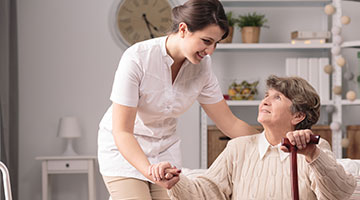
In a bigger senior care setting with many residents per caretaker, ADL assistance can end up being very task oriented: "I have 10 citizens to get up and dressed before breakfast." This pressure motivates speed. Caregivers may lay out clothing, dress the resident rapidly, and move on. It is effective, however it quietly deteriorates skills.
In a small elderly care home, the very same task might include guiding the resident to pick their clothing, sit at the edge of the bed, and pull on their own t-shirt with support only for buttons or socks. These differences sound subtle, but they maintain great motor abilities, balance, and a sense of autonomy.
Bathing is another location where the small home model shines. Many older adults fear falls in the shower more than practically anything else. In smaller homes, bathrooms are often simply a couple of steps from the bed room, and caregivers can embellish regimens. Some homeowners prefer evening baths when they are less rushed, others do much better in the early morning after medications. This versatility is much easier to accomplish when you are collaborating 6 homeowners instead of 60.
Toileting assistance is likewise naturally more responsive. Rather than relying greatly on "every two hours" scheduled toileting, caregivers can discover specific patterns. If Mr. Gomez always needs the bathroom after breakfast coffee, someone can be ready at that time, reducing both mishaps and unneeded journeys that tire him out.
Safety Without Over Restriction
Families frequently fret that a small elderly care home might be "less safe" than a bigger, more medical looking structure. In reality, security has to do with systems and routines, not square footage.
Smaller homes have actually some built in security advantages for movement and ADLs:
- Staff can visually look at locals more frequently without it feeling invasive. Moving someone with a walker throughout a living room is more secure than a long corridor trek. Residents seldom deal with crowds or congested spaces that increase fall risk. Noise levels are lower, which helps residents with dementia stay calmer and more cooperative throughout care.
The flipside of safety is over constraint. In some settings, out of fear of falls or liability, personnel wind up doing nearly everything for citizens. Walkers remain parked in corners, and wheelchairs become the default.
In well managed small homes, there is more space for balanced judgment. A caregiver who understands a resident's history can decide when to stroll side by side with a gait belt and when to enable a brief, supervised independent walk. They collaborate with physical and physical therapists who visit periodically, then rollover those suggestions into everyday routines.
I have seen citizens in small homes continue to use stairs, with rails and assistance, long after they would have been barred from stairwells in bigger senior living buildings. That maintained capability matters for lifestyle and for flow, strength, and balance.
How Small Residences Assistance Cognition Together With Mobility
Mobility and ADLs do not reside in a vacuum. Cognitive status affects both. Numerous small elderly care homes serve homeowners with mild to moderate dementia, and some focus on memory care.
For a person with dementia, intricate structures can be disabling. Long, similar corridors cause confusion. Elevators are tough to navigate. Homeowners get lost trying to find the dining-room or their own room, which leads to frustration and, often, decreased movement.
A small home's simple layout supports cognition and mobility together. A resident can generally see the kitchen, living room, and frequently the garden from a main area. They learn the area quickly and can move more confidently within it. Less individuals also implies fewer faces to track, which decreases agitation.
During ADL tasks, familiar caretakers can utilize individualized hints. They know that Mr. Chen responds much better if you play his preferred 1960s playlist during bathing, or that Mrs. Andrews requires an action by action verbal prompt while she brushes her teeth. These small cognitive supports make the physical job safer and less distressing.
Because small homes operate more like families, locals with dementia typically participate in light chores within their capability: folding towels, setting napkins on the table, watering plants. These activities offer natural movement that feels purposeful rather of therapeutic.
Respite Care in Small Residences: A Test Drive for Families
Many households initially encounter small elderly care homes through respite senior care care. A parent may need a week or a month of support after a hospitalization, or while the main household caretaker takes a break.
Respite stays in a small home can be especially effective for understanding how mobility and ADL requirements are managed. With just a handful of homeowners, staff rapidly be familiar with the momentary visitor and can adjust regimens within days. I have actually seen respite citizens get here needing comprehensive help, then leave walking more progressively and accepting help more calmly because the environment lowered their stress.
Respite care likewise gives households a possibility to observe:
- how often personnel walk with residents instead of defaulting to wheelchairs how toileting and bathing are set up (or flexibly managed) whether homeowners appear rushed throughout early morning and night routines how caregivers manage resistance or worry during ADL tasks
For adult kids who are not sure about moving a parent into long term senior care, a positive respite experience in a small home can be an eye opener. It shows what really personalized movement and ADL support looks like, rather than what is often assured in glossy brochures.
Trade Offs and Limitations of Small Elderly Care Homes
No care design is perfect. While I see clear advantages of small homes for movement and ADLs, there are honest trade offs to consider.
Medical intricacy is one. Some small homes deal with homeowners with relatively advanced medical requirements, including feeding tubes or complex wound care, but numerous do not. A very clinically delicate individual might still be much better served in an experienced nursing facility or a larger assisted living with strong on site nursing.
Staffing irregularity is another risk. The best small homes have stable, well trained caretakers and strong oversight. The worst are essentially boarding houses with minimal guidance. Because the setting is smaller, one weak manager or untrained caretaker can have an outsized impact.
Amenities are likewise modest. If somebody loves the idea of a health club, pool, and multiple dining venues, a larger senior care community may be more enticing, though those features usually matter less to people with considerable mobility and ADL needs.
Finally, expense structures vary. In some regions, small residential care homes are cheaper than big assisted living facilities; in others, they are comparable and even higher, particularly if they supply high staffing ratios and comprehensive hands on assistance.
The secret is to evaluate the particular home, not the category, and to concentrate on what matters most for the resident's day to day functioning.
What to Search for When You Tour a Small Elderly Care Home
When households tour, they are typically sidetracked by decoration or the charm of a yard garden. Those things are enjoyable, however the genuine evaluation for movement and ADL support takes place in quieter details.
Consider this short checklist as you stroll through:
- Do you see caregivers strolling alongside residents, or primarily pressing wheelchairs? Are bathrooms and bedrooms close together, with grab bars and non slip flooring? Does staff discuss citizens in particular terms, or only in generalities? Are residents clean, appropriately dressed, and using proper shoes? When you ask how they handle a fall or a brand-new decrease in movement, do you get a clear, practical answer?
Spend a little bit of time just being in the typical area. You can learn a lot by seeing how rapidly staff notice a resident beginning to stand, or how they react when somebody looks puzzled about where to go. Listen for your own internal responses: Does this location feel rushed or relax? Does the staff appear to understand who remains in the structure at any offered time?
If possible, visit at various times of day. Early morning and evening are when the bulk of ADL care occurs, and those are also the times when understaffing, if present, ends up being extremely visible.
Helping a Parent Transition: Preserving Movement from Day One
Moving into any type of elderly care can accidentally speed up loss of function if not managed thoroughly. Families can play an important role, especially in the very first month.
Share specific information with the home about your parent's standard. Not simply "requires aid with bathing," but "strolls 20 feet with a walker and someone steadying the belt" or "can pull shirt over head however needs aid with buttons." Those details help caregivers avoid underestimating or overestimating abilities.
Encourage the home to continue existing routines that support movement. If your father has constantly taken a quick stroll after lunch, ask staff to join him for a short walk at that time. If your mother prefers sponge baths due to fear of showers, discuss this clearly so she does not just refuse bathing and get identified "resistant."
Be present where you can throughout the first couple of days, not to monitor personnel, but to provide continuity. Your presence frequently assures the older adult enough that they will try walking or self care in the brand-new setting instead of withdrawing completely. In time, as rely on the caregivers grows, you can step back.
Most importantly, reinforce the concept that small successes matter. If you hear that your parent walked to the dining table separately or washed their own face at the sink, emphasize that progress when you visit. Older adults, like anybody else, respond powerfully to real acknowledgment.
Why Small Residences Frequently Age Better With the Resident
One of the quiet virtues of small elderly care homes is how well they adapt as requirements alter. A resident may enter for short-term respite care after a fall, remain for several months of assisted living level support, then continue living there through advanced decline.
Because the scale is intimate, shifts often feel smoother. When somebody who used to walk separately now requires a walker, there is no need to relocate to another wing. When ADL requires grow from cueing to hands on help, the same core caregivers merely adjust their approach and time allocation.
For households, this connection indicates less disruptive moves. For the resident, it means they can face increasing reliance on familiar ground, surrounded by people who know their history, humor, and choices. That emotional stability supports cooperation with care, which directly improves the quality of movement and ADL assistance.
In completion, the case for small elderly care homes in the context of movement and ADLs is not abstract. It appears in very common, extremely human moments: a safe transfer instead of a fall, an unwinded shower instead of a panicked battle, a brief walk in the garden instead of another day in bed.
For numerous older grownups, especially those who value familiarity, personal attention, and preserved function over resort style amenities, that quieter, smaller setting turns out to be precisely the ideal size.
BeeHive Homes of Santa Fe NM provides assisted living care
BeeHive Homes of Santa Fe NM provides memory care services
BeeHive Homes of Santa Fe NM provides respite care services
BeeHive Homes of Santa Fe NM supports assistance with bathing and grooming
BeeHive Homes of Santa Fe NM offers private bedrooms with private bathrooms
BeeHive Homes of Santa Fe NM provides medication monitoring and documentation
BeeHive Homes of Santa Fe NM serves dietitian-approved meals
BeeHive Homes of Santa Fe NM provides housekeeping services
BeeHive Homes of Santa Fe NM provides laundry services
BeeHive Homes of Santa Fe NM offers community dining and social engagement activities
BeeHive Homes of Santa Fe NM features life enrichment activities
BeeHive Homes of Santa Fe NM supports personal care assistance during meals and daily routines
BeeHive Homes of Santa Fe NM promotes frequent physical and mental exercise opportunities
BeeHive Homes of Santa Fe NM provides a home-like residential environment
BeeHive Homes of Santa Fe NM creates customized care plans as residents’ needs change
BeeHive Homes of Santa Fe NM assesses individual resident care needs
BeeHive Homes of Santa Fe NM accepts private pay and long-term care insurance
BeeHive Homes of Santa Fe NM assists qualified veterans with Aid and Attendance benefits
BeeHive Homes of Santa Fe NM encourages meaningful resident-to-staff relationships
BeeHive Homes of Santa Fe NM delivers compassionate, attentive senior care focused on dignity and comfort
BeeHive Homes of Santa Fe NM has a phone number of (505) 591-7021
BeeHive Homes of Santa Fe NM has an address of 3838 Thomas Rd, Santa Fe, NM 87507
BeeHive Homes of Santa Fe NM has a website https://beehivehomes.com/locations/santa-fe/
BeeHive Homes of Santa Fe NM has Google Maps listing https://maps.app.goo.gl/fzApm6ojmRryQMu76
BeeHive Homes of Santa Fe NM has Facebook page https://www.facebook.com/BeeHiveSantaFe
BeeHive Homes of Santa Fe NM has a YouTube channel at https://www.youtube.com/@WelcomeHomeBeeHiveHomes
BeeHive Homes of Santa Fe NM won Top Assisted Living Homes 2025
BeeHive Homes of Santa Fe NM earned Best Customer Service Award 2024
BeeHive Homes of Santa Fe NM placed 1st for Senior Living Communities 2025
People Also Ask about BeeHive Homes of Santa Fe NM
What is BeeHive Homes of Santa Fe NM Living monthly room rate?
The rate depends on the level of care that is needed. We do a pre-admission evaluation for each resident to determine the level of care needed. The monthly rate is based on this evaluation. There are no hidden costs or fees
Can residents stay in BeeHive Homes of Santa Fe NM until the end of their life?
Usually yes. There are exceptions, such as when there are safety issues with the resident, or they need 24 hour skilled nursing services
Does BeeHive Homes of Santa Fe NM have a nurse on staff?
No, but each BeeHive Home has a consulting Nurse available 24 – 7. if nursing services are needed, a doctor can order home health to come into the home
What are BeeHive Homes of Santa Fe NM visiting hours?
Visiting hours are adjusted to accommodate the families and the resident’s needs… just not too early or too late
Do we have couple’s rooms available?
Yes, each home has rooms designed to accommodate couples. Please ask about the availability of these rooms
Where is BeeHive Homes of Santa Fe NM located?
BeeHive Homes of Santa Fe NM is conveniently located at 3838 Thomas Rd, Santa Fe, NM 87507. You can easily find directions on Google Maps or call at (505) 591-7021 Monday through Sunday 9:00am to 5:00pm
How can I contact BeeHive Homes of Santa Fe NM?
You can contact BeeHive Homes of Santa Fe NM by phone at: (505) 591-7021, visit their website at https://beehivehomes.com/locations/santa-fe, or connect on social media via Facebook or YouTube
Ragle Park offers a quiet setting for assisted living and memory care residents to relax as part of senior care and respite care visits.