Business Name: BeeHive Homes of Santa Fe NM
Address: 3838 Thomas Rd, Santa Fe, NM 87507
Phone: (505) 591-7021
BeeHive Homes of Santa Fe NM
BeeHive Homes of Santa Fe NM is a premier Santa Fe Assisted Living facilities and the perfect transition from an independent living facility or environment. Our Alzheimer care in Santa Fe, NM is designed to be smaller to create a more intimate atmosphere and to provide a family feel while our residents experience exceptional quality care. We promote memory care assisted living with caregivers who are here to help. Memory care assisted living is one of the most specialized types of senior living facilities you'll find. Dementia care assisted living in Santa Fe NM offers catered memory care services, attention and medication management, often in a secure dementia assisted living in Santa Fe or nursing home setting.
3838 Thomas Rd, Santa Fe, NM 87507
Business Hours
Monday thru Sunday: 9:00am to 5:00pm
Facebook: https://www.facebook.com/BeeHiveSantaFe Fe/
YouTube: https://www.youtube.com/@WelcomeHomeBeeHiveHomes
Moving a parent or partner from the home they like into senior living is seldom a straight line. It is a braid of feelings, logistics, finances, and household dynamics. I have actually walked households through it during medical facility discharges at 2 a.m., during quiet kitchen-table talks after a near fall, and during urgent calls when wandering or medication errors made staying at home unsafe. No two journeys look the very same, however there are patterns, common sticking points, and useful methods to alleviate the path.
This guide makes use of that lived experience. It will not talk you out of concern, however it can turn the unknown into a map you can read, with signposts for assisted living, memory care, and respite care, and useful questions to ask at each turn.
The psychological undercurrent no one prepares you for
Most households expect resistance from the elder. What surprises them is their own resistance. Adult kids typically tell me, "I promised I 'd never move Mom," just to discover that the pledge was made under conditions that no longer exist. When bathing takes 2 individuals, when you discover unpaid bills under couch cushions, when your dad asks where his long-deceased sibling went, the ground shifts. Guilt follows, together with relief, which then sets off more guilt.
You can hold both realities. You can like somebody deeply and still be unable to fulfill their needs in your home. It helps to call what is happening. Your role is altering from hands-on caregiver to care coordinator. That is not a downgrade in love. It is a change in the type of help you provide.
Families sometimes fret that a relocation will break a spirit. In my experience, the damaged spirit typically originates from chronic exhaustion and social seclusion, not BeeHive Homes of Santa Fe NM assisted living from a new address. A small studio with consistent routines and a dining-room filled with peers can feel bigger than an empty home with ten rooms.
Understanding the care landscape without the marketing gloss
"Senior care" is an umbrella term that covers a spectrum. The right fit depends upon requirements, preferences, budget, and area. Believe in regards to function, not labels, and take a look at what a setting really does day to day.
Assisted living supports daily jobs like bathing, dressing, medication management, and meals. It is not a medical facility. Residents live in homes or suites, often bring their own furnishings, and participate in activities. Regulations vary by state, so one structure may manage insulin injections and two-person transfers, while another will not. If you require nighttime aid regularly, validate staffing ratios after 11 p.m., not simply during the day.
Memory care is for people coping with Alzheimer's or other forms of dementia who need a protected environment and specialized shows. Doors are secured for security. The best memory care units are not simply locked corridors. They have trained personnel, purposeful regimens, visual cues, and adequate structure to lower stress and anxiety. Ask how they manage sundowning, how they respond to exit-seeking, and how they support citizens who resist care. Try to find proof of life enrichment that matches the individual's history, not generic activities.
Respite care refers to brief stays, typically 7 to thirty days, in assisted living or memory care. It gives caregivers a break, uses post-hospital healing, or acts as a trial run. Respite can be the bridge that makes a long-term relocation less difficult, for everybody. Policies vary: some neighborhoods keep the respite resident in a provided apartment; others move them into any offered system. Confirm day-to-day rates and whether services are bundled or a la carte.
Skilled nursing, frequently called nursing homes or rehab, supplies 24-hour nursing and treatment. It is a medical level of care. Some elders discharge from a hospital to short-term rehabilitation after a stroke, fracture, or severe infection. From there, families decide whether returning home with services is feasible or if long-term positioning is safer.
Adult day programs can support life in the house by using daytime supervision, meals, and activities while caregivers work or rest. They can reduce the risk of isolation and give structure to an individual with amnesia, typically delaying the need for a move.
When to begin the conversation
Families typically wait too long, forcing decisions throughout a crisis. I search for early signals that recommend you must at least scout alternatives:
- Two or more falls in 6 months, especially if the cause is uncertain or includes poor judgment rather than tripping. Medication errors, like duplicate doses or missed out on vital meds several times a week. Social withdrawal and weight-loss, frequently indications of depression, cognitive change, or trouble preparing meals. Wandering or getting lost in familiar places, even once, if it includes security dangers like crossing hectic roads or leaving a range on. Increasing care needs in the evening, which can leave family caretakers sleep-deprived and susceptible to burnout.
You do not require to have the "relocation" conversation the first day you see concerns. You do require to open the door to planning. That might be as simple as, "Dad, I 'd like to visit a couple places together, simply to know what's out there. We won't sign anything. I wish to honor your choices if things alter down the roadway."
What to search for on trips that pamphlets will never show
Brochures and sites will show intense spaces and smiling residents. The genuine test is in unscripted minutes. When I tour, I arrive 5 to 10 minutes early and watch the lobby. Do teams welcome residents by name as they pass? Do locals appear groomed, or do you see unbrushed hair and untied shoes at 10 a.m.? Notice smells, but interpret them relatively. A brief smell near a restroom can be typical. A consistent odor throughout common areas signals understaffing or bad housekeeping.
Ask to see the activity calendar and after that search for evidence that events are actually occurring. Exist supplies on the table for the scheduled art hour? Exists music when the calendar says sing-along? Speak with the citizens. Most will inform you honestly what they delight in and what they miss.
The dining-room speaks volumes. Request to consume a meal. Observe the length of time it takes to get served, whether the food is at the right temperature, and whether staff assist discreetly. If you are considering memory care, ask how they adapt meals for those who forget to eat. Finger foods, contrasting plate colors, and shorter, more frequent offerings can make a huge difference.
Ask about over night staffing. Daytime ratios frequently look sensible, but many communities cut to skeleton crews after supper. If your loved one requires frequent nighttime help, you require to know whether two care partners cover an entire flooring or whether a nurse is available on-site.
Finally, view how leadership manages questions. If they respond to promptly and transparently, they will likely address problems by doing this too. If they evade or sidetrack, expect more of the very same after move-in.
The monetary labyrinth, streamlined enough to act
Costs vary commonly based on geography and level of care. As a rough variety, assisted living frequently ranges from $3,000 to $7,000 each month, with additional fees for care. Memory care tends to be greater, from $4,500 to $9,000 per month. Experienced nursing can surpass $10,000 regular monthly for long-lasting care. Respite care normally charges a day-to-day rate, often a bit greater daily than a long-term stay due to the fact that it consists of furnishings and flexibility.
Medicare does not spend for custodial care in assisted living or memory care. It covers medical services, hospitalizations, and short-term rehabilitation if criteria are fulfilled. Long-lasting care insurance coverage, if you have it, might cover part of assisted living or memory care once you satisfy benefit triggers, normally determined by needs in activities of daily living or documented cognitive impairment. Policies vary, so read the language carefully. Veterans might get approved for Help and Attendance benefits, which can offset costs, but approval can take months. Medicaid covers long-lasting look after those who satisfy monetary and scientific criteria, frequently in nursing homes and, in some states, in assisted living through waiver programs. Waiting lists exist. Talk early with a regional elder law lawyer if Medicaid might become part of your strategy in the next year or two.
Budget for the hidden items: move-in charges, second-person costs for couples, cable television and internet, incontinence materials, transportation charges, hairstyles, and increased care levels with time. It prevails to see base lease plus a tiered care plan, however some communities use a point system or flat extensive rates. Ask how often care levels are reassessed and what generally activates increases.
Medical realities that drive the level of care
The distinction between "can stay at home" and "requires assisted living or memory care" is typically clinical. A couple of examples illustrate how this plays out.
Medication management seems little, but it is a big motorist of safety. If somebody takes more than 5 daily medications, specifically consisting of insulin or blood slimmers, the threat of mistake increases. Tablet boxes and alarms help until they do not. I have actually seen people double-dose due to the fact that the box was open and they forgot they had actually taken the tablets. In assisted living, staff can hint and administer medications on a set schedule. In memory care, the method is frequently gentler and more relentless, which people with dementia require.
Mobility and transfers matter. If someone needs 2 individuals to transfer securely, lots of assisted livings will not accept them or will require private aides to supplement. An individual who can pivot with a walker and one steadying arm is typically within assisted living ability, particularly if they can bear weight. If weight-bearing is bad, or if there is unrestrained behavior like striking out during care, memory care or competent nursing might be necessary.
Behavioral signs of dementia determine fit. Exit-seeking, significant agitation, or late-day confusion can be better handled in memory care with environmental cues and specialized staffing. When a resident wanders into other apartments or withstands bathing with screaming or hitting, you are beyond the skill set of most general assisted living teams.
Medical devices and proficient needs are a dividing line. Wound vacs, complicated feeding tubes, frequent catheter watering, or oxygen at high flow can press care into competent nursing. Some assisted livings partner with home health agencies to bring nursing in, which can bridge take care of particular requirements like dressing changes or PT after a fall. Clarify how that coordination works.
A humane move-in plan that really works
You can lower tension on move day by staging the environment initially. Bring familiar bedding, the preferred chair, and pictures for the wall before your loved one arrives. Organize the apartment so the course to the restroom is clear, lighting is warm, and the first thing they see is something soothing, not a stack of boxes. Label drawers and closets in plain language. For memory care, get rid of extraneous products that can overwhelm, and location hints where they matter most, like a big clock, a calendar with family birthdays marked, and a memory shadow box by the door.
Time the relocation for late early morning or early afternoon when energy tends to be steadier. Avoid late-day arrivals, which can collide with sundowning. Keep the group little. Crowds of relatives increase stress and anxiety. Decide ahead who will remain for the first meal and who will leave after assisting settle. There is no single right response. Some individuals do best when family remains a number of hours, participates in an activity, and returns the next day. Others shift better when family leaves after greetings and personnel step in with a meal or a walk.
Expect pushback and plan for it. I have heard, "I'm not remaining," many times on move day. Personnel trained in dementia care will redirect rather than argue. They may recommend a tour of the garden, present a welcoming resident, or invite the new person into a favorite activity. Let them lead. If you step back for a couple of minutes and permit the staff-resident relationship to form, it frequently diffuses the intensity.
Coordinate medication transfer and doctor orders before move day. Many neighborhoods need a doctor's report, TB screening, signed medication orders, and a list of allergic reactions. If you wait till the day of, you risk hold-ups or missed dosages. Bring two weeks of medications in original pharmacy-labeled containers unless the community uses a particular packaging vendor. Ask how the transition to their drug store works and whether there are shipment cutoffs.
The first 30 days: what "settling in" actually looks like
The very first month is a change period for everybody. Sleep can be disrupted. Cravings might dip. Individuals with dementia might ask to go home consistently in the late afternoon. This is regular. Foreseeable regimens assist. Encourage participation in two or 3 activities that match the individual's interests. A woodworking hour or a little walking club is more reliable than a jam-packed day of events someone would never have picked before.
Check in with staff, however withstand the desire to micromanage. Request a care conference at the two-week mark. Share what you are seeing and ask what they are discovering. You may discover your mom eats better at breakfast, so the team can fill calories early. Or that your dad sunbathes by the window and enjoys it more than bingo, so personnel can develop on that. When a resident declines showers, staff can try varied times or use washcloth bathing until trust forms.
Families typically ask whether to visit daily. It depends. If your presence relaxes the individual and they engage with the neighborhood more after seeing you, visit. If your visits trigger upset or requests to go home, space them out and collaborate with personnel on timing. Short, consistent check outs can be better than long, occasional ones.
Track the small wins. The very first time you get an image of your father smiling at lunch with peers, the day the nurse calls to say your mother had no lightheadedness after her early morning meds, the night you sleep six hours in a row for the first time in months. These are markers that the choice is bearing fruit.
Respite care as a test drive, not a failure
Using respite care can seem like you are sending out someone away. I have seen the opposite. A two-week stay after a medical facility discharge can prevent a quick readmission. A month of respite while you recover from your own surgery can protect your health. And a trial remain responses real concerns. Will your mother accept aid with bathing more easily from personnel than from you? Does your father consume better when he is not consuming alone? Does the sundowning decrease when the afternoon consists of a structured program?
If respite works out, the move to permanent residency becomes a lot easier. The house feels familiar, and personnel currently understand the individual's rhythms. If respite reveals a bad fit, you discover it without a long-term commitment and can try another community or change the plan at home.
When home still works, but not without support
Sometimes the best answer is not a move today. Perhaps your house is single-level, the elder stays socially linked, and the dangers are manageable. In those cases, I try to find three assistances that keep home practical:
- A reliable medication system with oversight, whether from a visiting nurse, a smart dispenser with alerts to family, or a pharmacy that packages medications by date and time. Regular social contact that is not based on one person, such as adult day programs, faith community gos to, or a neighbor network with a schedule. A fall-prevention strategy that includes eliminating carpets, adding grab bars and lighting, guaranteeing footwear fits, and scheduling balance exercises through PT or community classes.
Even with these supports, revisit the strategy every 3 to 6 months or after any hospitalization. Conditions alter. Vision aggravates, arthritis flares, memory decreases. Eventually, the formula will tilt, and you will be happy you already hunted assisted living or memory care.
Family characteristics and the difficult conversations
Siblings often hold various views. One might push for staying home with more aid. Another fears the next fall. A third lives far away and feels guilty, which can seem like criticism. I have discovered it valuable to externalize the decision. Instead of arguing opinion against viewpoint, anchor the conversation to 3 concrete pillars: safety events in the last 90 days, practical status measured by daily jobs, and caregiver capability in hours per week. Put numbers on paper. If Mom needs 2 hours of assistance in the early morning and 2 in the evening, seven days a week, that is 28 hours. If those hours are beyond what household can provide sustainably, the options narrow to hiring in-home care, adult day, or a move.
Invite the elder into the conversation as much as possible. Ask what matters most: staying near a particular pal, keeping an animal, being close to a certain park, eating a particular cuisine. If a relocation is required, you can use those preferences to choose the setting.
Legal and useful groundwork that averts crises
Transitions go smoother when files are prepared. Durable power of attorney and health care proxy ought to be in place before cognitive decline makes them difficult. If dementia exists, get a doctor's memo documenting decision-making capability at the time of finalizing, in case anyone questions it later on. A HIPAA release permits staff to share needed info with designated family.
Create a one-page medical picture: medical diagnoses, medications with dosages and schedules, allergic reactions, main physician, experts, recent hospitalizations, and baseline functioning. Keep it upgraded and printed. Hand it to emergency department personnel if needed. Share it with the senior living nurse on move-in day.
Secure belongings now. Move jewelry, delicate documents, and sentimental items to a safe place. In common settings, little products go missing for innocent reasons. Avoid heartbreak by eliminating temptation and confusion before it happens.
What good care feels like from the inside
In exceptional assisted living and memory care neighborhoods, you feel a rhythm. Mornings are hectic however not frantic. Personnel speak with locals at eye level, with heat and respect. You hear laughter. You see a resident who as soon as slept late joining a workout class since somebody persisted with gentle invites. You see staff who understand a resident's preferred tune or the way he likes his eggs. You observe flexibility: shaving can wait till later if somebody is irritated at 8 a.m.; the walk can occur after coffee.
Problems still develop. A UTI sets off delirium. A medication triggers dizziness. A resident grieves the loss of driving. The difference is in the action. Great groups call rapidly, include the family, change the plan, and follow up. They do not shame, they do not hide, and they do not default to restraints or sedatives without cautious thought.
The reality of modification over time
Senior care is not a static decision. Needs progress. An individual might move into assisted living and succeed for two years, then establish roaming or nighttime confusion that requires memory care. Or they might grow in memory take care of a long stretch, then establish medical complications that push towards proficient nursing. Spending plan for these shifts. Mentally, prepare for them too. The 2nd move can be much easier, because the group typically helps and the family currently understands the terrain.
I have actually also seen the reverse: people who get in memory care and stabilize so well that behaviors lessen, weight enhances, and the requirement for severe interventions drops. When life is structured and calm, the brain does better with the resources it has left.
Finding your footing as the relationship changes
Your task modifications when your loved one relocations. You become historian, advocate, and buddy instead of sole caretaker. Visit with function. Bring stories, images, music playlists, a favorite lotion for a hand massage, or an easy task you can do together. Join an activity now and then, not to remedy it, but to experience their day. Discover the names of the care partners and nurses. An easy "thank you," a holiday card with pictures, or a box of cookies goes even more than you think. Staff are human. Valued teams do better work.
Give yourself time to grieve the old regular. It is proper to feel loss and relief at the same time. Accept assistance for yourself, whether from a caregiver support group, a therapist, or a buddy who can manage the documentation at your kitchen area table once a month. Sustainable caregiving includes take care of the caregiver.
A short list you can actually use
- Identify the existing leading 3 threats in your home and how typically they occur. Tour a minimum of 2 assisted living or memory care neighborhoods at various times of day and consume one meal in each. Clarify overall regular monthly cost at each alternative, including care levels and most likely add-ons, and map it versus a minimum of a two-year horizon. Prepare medical, legal, and medication documents two weeks before any planned relocation and validate pharmacy logistics. Plan the move-in day with familiar products, easy regimens, and a small support team, then set up a care conference two weeks after move-in.
A course forward, not a verdict
Moving from home to senior living is not about quiting. It has to do with building a brand-new support system around a person you enjoy. Assisted living can restore energy and community. Memory care can make life safer and calmer when the brain misfires. Respite care can offer a bridge and a breath. Excellent elderly care honors an individual's history while adapting to their present. If you approach the transition with clear eyes, stable preparation, and a determination to let professionals carry some of the weight, you develop space for something numerous families have actually not felt in a long time: a more serene everyday.
BeeHive Homes of Santa Fe NM provides assisted living care
BeeHive Homes of Santa Fe NM provides memory care services
BeeHive Homes of Santa Fe NM provides respite care services
BeeHive Homes of Santa Fe NM supports assistance with bathing and grooming
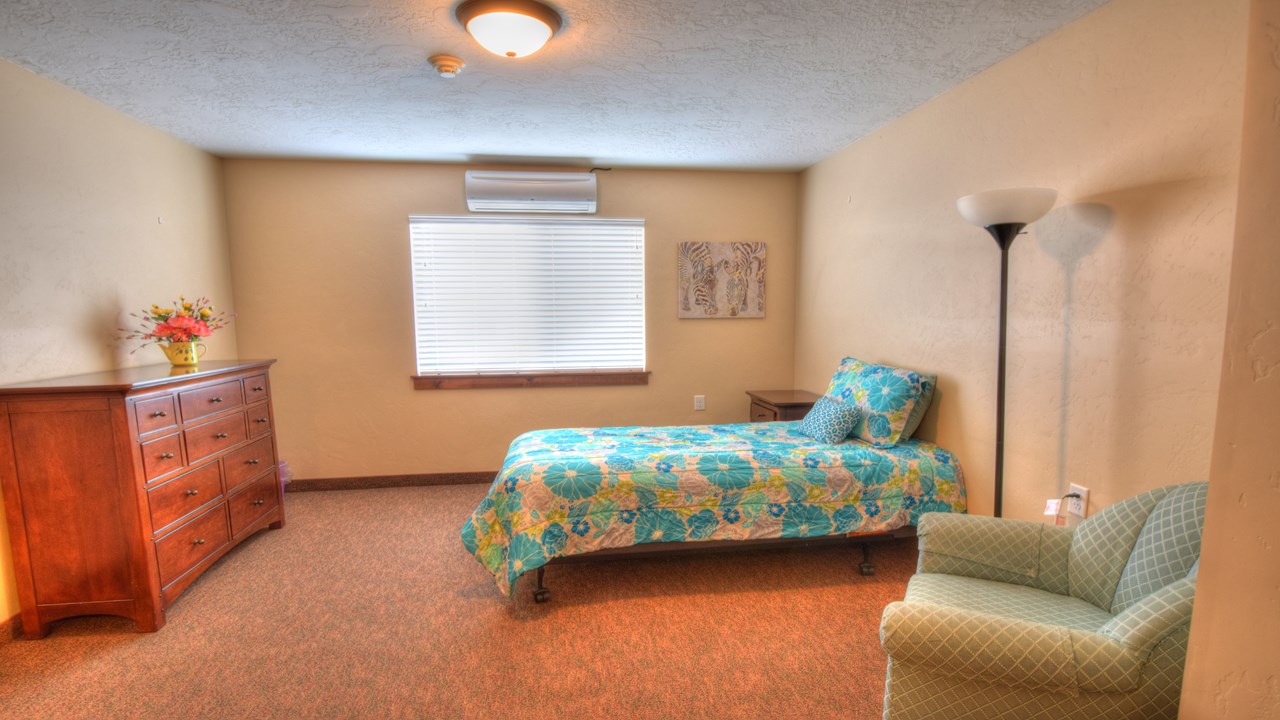
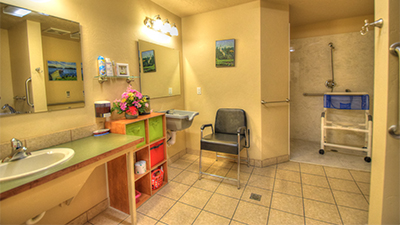
BeeHive Homes of Santa Fe NM offers private bedrooms with private bathrooms
BeeHive Homes of Santa Fe NM provides medication monitoring and documentation
BeeHive Homes of Santa Fe NM serves dietitian-approved meals
BeeHive Homes of Santa Fe NM provides housekeeping services
BeeHive Homes of Santa Fe NM provides laundry services
BeeHive Homes of Santa Fe NM offers community dining and social engagement activities
BeeHive Homes of Santa Fe NM features life enrichment activities
BeeHive Homes of Santa Fe NM supports personal care assistance during meals and daily routines
BeeHive Homes of Santa Fe NM promotes frequent physical and mental exercise opportunities
BeeHive Homes of Santa Fe NM provides a home-like residential environment
BeeHive Homes of Santa Fe NM creates customized care plans as residents’ needs change
BeeHive Homes of Santa Fe NM assesses individual resident care needs
BeeHive Homes of Santa Fe NM accepts private pay and long-term care insurance
BeeHive Homes of Santa Fe NM assists qualified veterans with Aid and Attendance benefits
BeeHive Homes of Santa Fe NM encourages meaningful resident-to-staff relationships
BeeHive Homes of Santa Fe NM delivers compassionate, attentive senior care focused on dignity and comfort
BeeHive Homes of Santa Fe NM has a phone number of (505) 591-7021
BeeHive Homes of Santa Fe NM has an address of 3838 Thomas Rd, Santa Fe, NM 87507
BeeHive Homes of Santa Fe NM has a website https://beehivehomes.com/locations/santa-fe/
BeeHive Homes of Santa Fe NM has Google Maps listing https://maps.app.goo.gl/fzApm6ojmRryQMu76
BeeHive Homes of Santa Fe NM has Facebook page https://www.facebook.com/BeeHiveSantaFe
BeeHive Homes of Santa Fe NM has a YouTube channel at https://www.youtube.com/@WelcomeHomeBeeHiveHomes
BeeHive Homes of Santa Fe NM won Top Assisted Living Homes 2025
BeeHive Homes of Santa Fe NM earned Best Customer Service Award 2024
BeeHive Homes of Santa Fe NM placed 1st for Senior Living Communities 2025
People Also Ask about BeeHive Homes of Santa Fe NM
What is BeeHive Homes of Santa Fe NM Living monthly room rate?
The rate depends on the level of care that is needed. We do a pre-admission evaluation for each resident to determine the level of care needed. The monthly rate is based on this evaluation. There are no hidden costs or fees
Can residents stay in BeeHive Homes of Santa Fe NM until the end of their life?
Usually yes. There are exceptions, such as when there are safety issues with the resident, or they need 24 hour skilled nursing services
Does BeeHive Homes of Santa Fe NM have a nurse on staff?
No, but each BeeHive Home has a consulting Nurse available 24 – 7. if nursing services are needed, a doctor can order home health to come into the home
What are BeeHive Homes of Santa Fe NM visiting hours?
Visiting hours are adjusted to accommodate the families and the resident’s needs… just not too early or too late
Do we have couple’s rooms available?
Yes, each home has rooms designed to accommodate couples. Please ask about the availability of these rooms
Where is BeeHive Homes of Santa Fe NM located?
BeeHive Homes of Santa Fe NM is conveniently located at 3838 Thomas Rd, Santa Fe, NM 87507. You can easily find directions on Google Maps or call at (505) 591-7021 Monday through Sunday 9:00am to 5:00pm
How can I contact BeeHive Homes of Santa Fe NM?
You can contact BeeHive Homes of Santa Fe NM by phone at: (505) 591-7021, visit their website at https://beehivehomes.com/locations/santa-fe, or connect on social media via Facebook or YouTube
Ragle Park offers a quiet setting for assisted living and memory care residents to relax as part of senior care and respite care visits.